
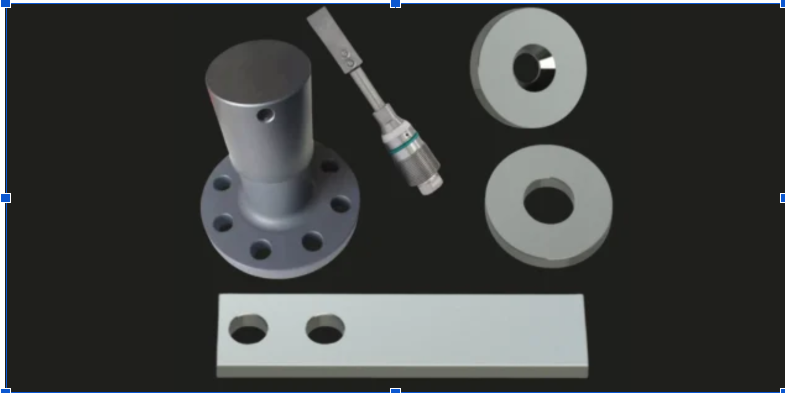

Pipeline integrity programmes rely on a combination of monitoring tools, and one of the simplest yet most informative among them is a small, deliberately exposed piece of metal placed directly in the flow path. Despite its simplicity, the data this generates plays a significant role in how operators track corrosion risk over time. Because the monitoring method is relatively straightforward, it can also provide useful information without requiring complex instrumentation throughout the pipeline. When readings are collected consistently and assessed alongside other integrity data, they can help operators identify changes in corrosion behaviour and determine whether existing control measures remain appropriate.
Why Direct Monitoring Still Matters
Modern pipelines use a range of indirect monitoring techniques, yet these often estimate corrosion rates rather than measuring them directly against the actual material and environment involved. Direct exposure monitoring closes this gap by giving a physical, measurable indication of how the pipeline material is actually behaving under real operating conditions. This distinction becomes important when process conditions vary from the assumptions used during system design. Changes in fluid chemistry, temperature, pressure or treatment programmes can influence corrosion behaviour. Direct monitoring provides an opportunity to observe the effect of these conditions on the material rather than relying entirely on calculated estimates.
How Corrosion Coupons Work in Practice
A coupon of known weight and composition, matching the pipeline material, is installed at a representative point in the system and left exposed to the process fluid for a set period. Corrosion coupons provide a practical way to monitor material loss under actual operating conditions. Once retrieved, weight loss and surface condition are analysed to calculate an actual corrosion rate specific to that location and fluid chemistry. The location selected for installation also matters because conditions can differ significantly between sections of the same pipeline. Flow characteristics, water accumulation and chemical distribution may influence the result. Positioning the coupon appropriately helps ensure that the information collected reflects the operating environment that the monitoring programme is intended to assess.
Selecting Coupon Type and Material
Coupon material should generally match the pipe material being monitored, since dissimilar metals will corrode at different rates and produce misleading data. Shape and mounting method also vary depending on flow velocity and whether the concern is general corrosion, pitting or a specific mechanism such as erosion-corrosion. The choice should therefore be based on the particular integrity concern rather than treating every monitoring location in the same way. Installation hardware must also hold the coupon securely while allowing sufficient exposure to the process fluid for the resulting measurements to remain representative.
Setting Retrieval Intervals
Retrieval intervals depend on expected corrosion severity. Aggressive environments may call for shorter exposure periods to avoid coupon degradation obscuring the results, while milder conditions can tolerate longer intervals that give a more averaged picture of long-term behaviour. A consistent retrieval schedule is equally important for building useful historical data. If exposure periods vary significantly without a clear reason, comparisons between results can become more difficult. Recording installation dates, retrieval dates and operating conditions helps provide the context needed when reviewing changes over time.
Interpreting the Results Correctly
Weight loss data needs to be converted into a standardised corrosion rate, usually expressed as material loss per year, to allow meaningful comparison against acceptable thresholds for the pipeline in question. Surface examination alongside the weight measurement can also reveal whether corrosion is general or localised, which affects how seriously the result should be treated. Corrosion coupons can provide this measurable data when assessed consistently over a defined monitoring period. Results should also be considered alongside process changes and other inspection findings rather than viewed in isolation. A change in corrosion rate may correspond with altered chemical treatment, operating conditions or fluid composition. Reviewing these factors together can make the monitoring data more useful when planning future integrity activities.
Where an Oil Field Equipment Manufacturer Adds Value
Coupon holders, access fittings and retrieval mechanisms all need to be engineered correctly to avoid disturbing flow or introducing their own leak points into the pipeline. Working with an established oil field equipment manufacturer ensures these components are built to the correct pressure rating and are compatible with the specific access system already in use on site. An experienced oil field equipment manufacturer can also consider the practical requirements of installation, retrieval and ongoing maintenance when developing the supporting hardware. This is particularly relevant where access is limited or where monitoring equipment must operate safely under demanding pressure and process conditions without unnecessary disruption to the pipeline.
Practical Points to Confirm
- Coupon material matches the pipeline material being assessed
- Retrieval access is rated for the operating pressure of the line
- Exposure period suits the expected corrosion severity
- Results are logged consistently for trend analysis over time
These checks help ensure that the monitoring arrangement produces useful information rather than simply generating isolated measurements. Documentation should identify the coupon material, installation location, exposure period and resulting observations so that future results can be compared against a reliable historical record.
Conclusion
Simple as they appear, these monitoring devices provide a direct, measurable window into how a pipeline material is actually holding up against real process conditions, supporting integrity decisions that indirect methods alone cannot fully justify. Consistent use over time builds a trend that becomes genuinely valuable for long-term planning. NND OIL & GAS supplies coupon holders and access fittings engineered for accurate, low-disruption monitoring programmes. The value of the approach ultimately comes from consistent application and careful interpretation rather than from the monitoring device alone. When supported by suitable installation hardware, reliable records and appropriate retrieval intervals, the resulting information can contribute to a more structured and informed pipeline integrity programme.