
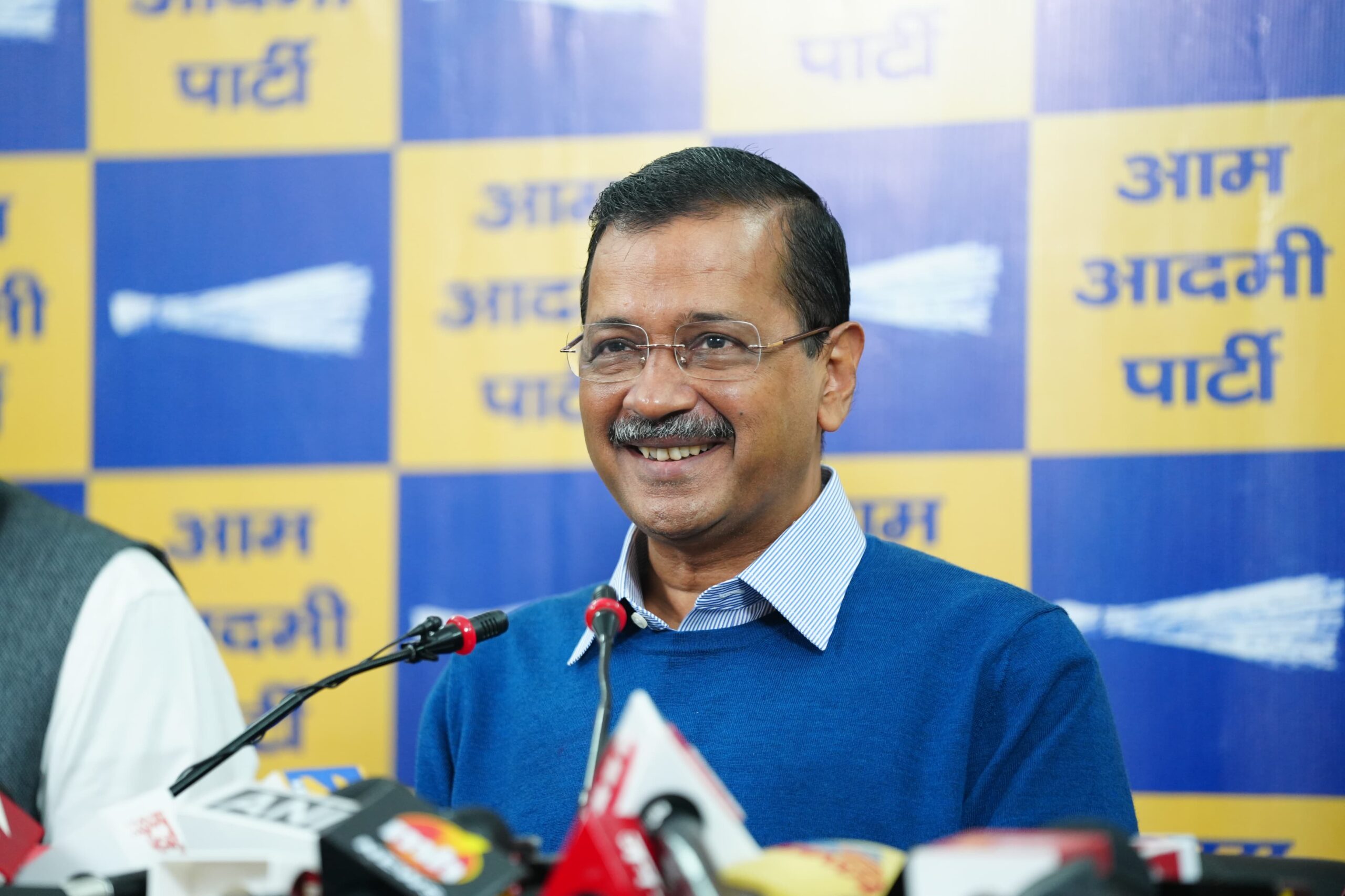

The Aam Aadmi Party, commonly known as AAP, was founded by Arvind Kejriwal on November 26, 2012, emerging directly out of the India Against Corruption movement that had captured national attention the previous year. Since its founding, the party has grown from a grassroots anti-corruption movement into a significant force in Indian politics, governing Delhi and later Punjab.
From Civil Servant to Political Founder
Before founding AAP, Arvind Kejriwal worked as an Indian Revenue Service officer before resigning to focus on social activism, eventually co-founding the NGO Parivartan and winning the Ramon Magsaysay Award in 2006 for his work on transparency and the Right to Information movement in India. This background in grassroots activism and governance reform directly shaped his approach to founding a political party years later.
The India Against Corruption Movement
AAP’s origins trace back to the 2011 India Against Corruption movement, led prominently by social activist Anna Hazare, with Kejriwal serving as one of its key organizers. The movement, which demanded the passage of a strong anti-corruption Jan Lokpal Bill, drew massive public support across India and thrust several of its leaders, including Kejriwal, into national prominence.
The Founding of AAP
In 2012, Kejriwal broke away and formally launched the Aam Aadmi Party in November of that year, arguing that lasting change required direct political participation rather than only civil society activism. The party’s name, meaning ‘Common Man’s Party,’ reflected its founding identity as a movement for ordinary citizens against political corruption, a branding choice that helped it stand apart from India’s more traditionally structured political organizations.
AAP’s Rise in Delhi Politics
The party achieved a remarkable early breakthrough in the December 2013 Delhi Legislative Assembly elections, winning 28 of 70 seats in its very first electoral contest and forming a short-lived coalition government with Kejriwal as Chief Minister. After that government collapsed within 49 days, AAP returned with an even stronger mandate in the 2015 Delhi elections, winning 67 of 70 seats.
Expansion Beyond Delhi
Following its dominance in Delhi, AAP expanded its political footprint significantly, most notably winning a landslide victory in the 2022 Punjab Legislative Assembly elections, marking the party’s first major electoral success outside the National Capital Territory. This expansion positioned AAP as a growing national political force beyond its original Delhi-centric base, prompting the party to contest elections in several other states as it sought to establish itself as a genuine alternative to India’s two dominant national parties.
Frequently Asked Questions
When was the Aam Aadmi Party founded? AAP was formally founded on November 26, 2012, by Arvind Kejriwal. What movement did AAP grow out of? The party emerged from the 2011 India Against Corruption movement led by Anna Hazare, in which Kejriwal played a central organizing role. What does ‘Aam Aadmi’ mean? The name translates to ‘Common Man,’ reflecting the party’s founding focus on representing ordinary citizens against political corruption.
The Bottom Line
Arvind Kejriwal’s founding of the Aam Aadmi Party represents one of the more unusual transitions from civil society activism to mainstream electoral politics in recent Indian history. What began as a breakaway faction from a larger anti-corruption movement has since evolved into a governing party with a track record spanning more than a decade, demonstrating how grassroots movements can, under the right conditions, translate into lasting institutional political power and reshape the competitive landscape of Indian state and national politics.